General info
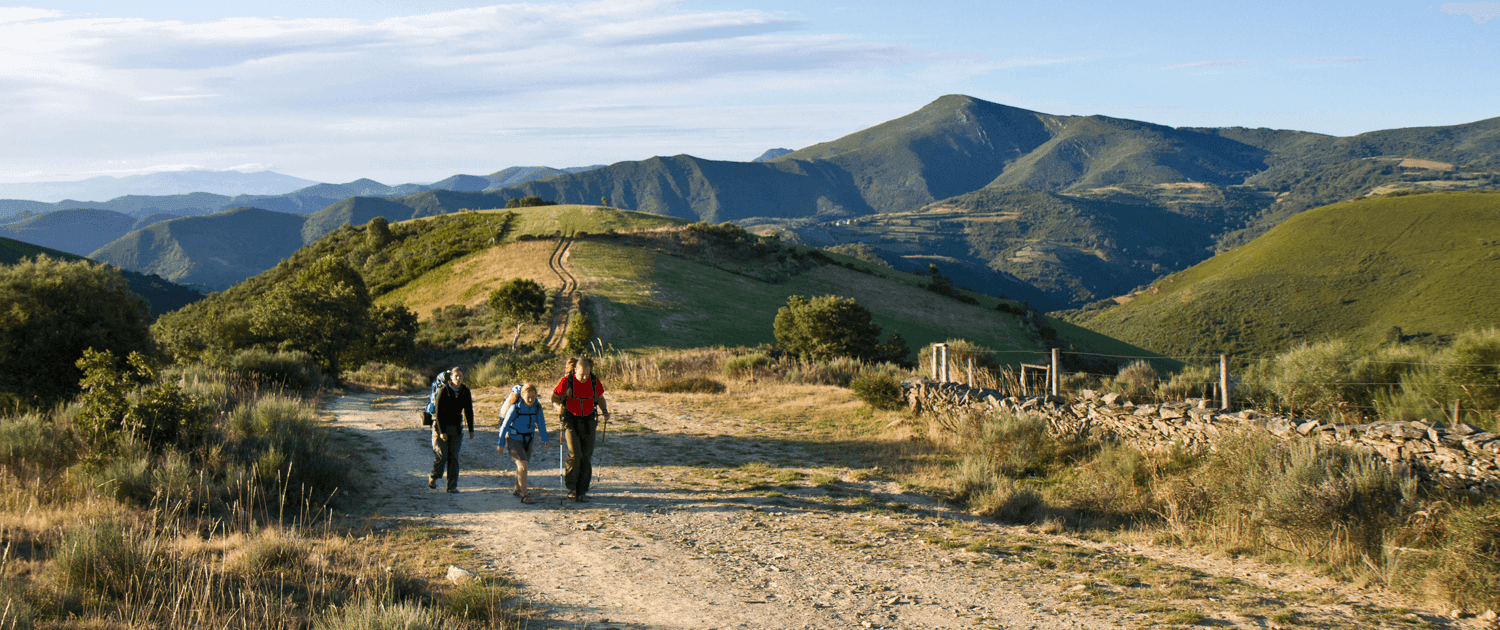
For more than a thousand years, the Camino Francés, or French Way of Santiago, has invited people from around the world to walk across northern Spain. This ancient pilgrimage route, part of the greater Camino de Santiago, is not a race to complete but a journey to experience. Here, walking becomes prayer and the landscape itself becomes a teacher.
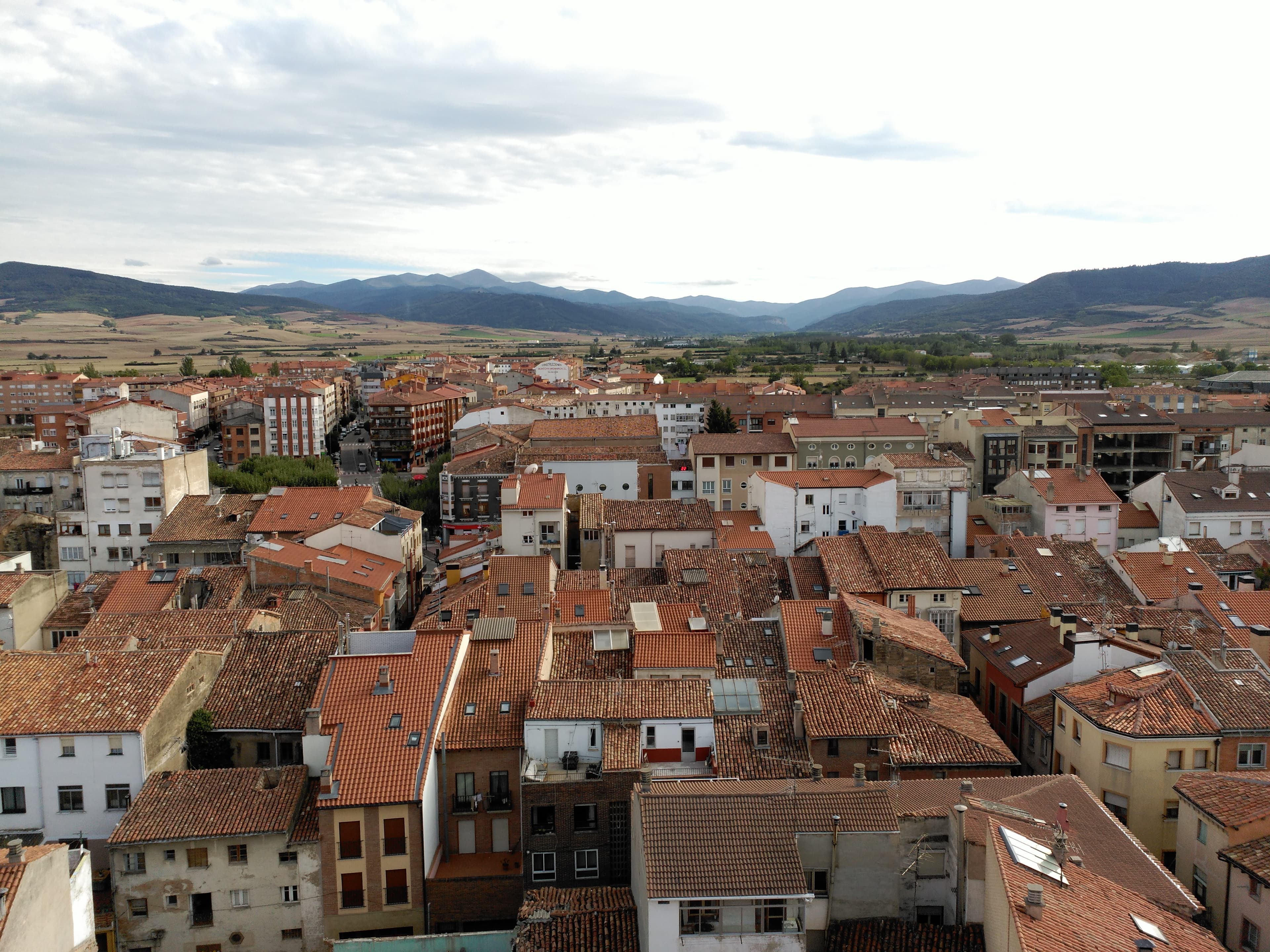
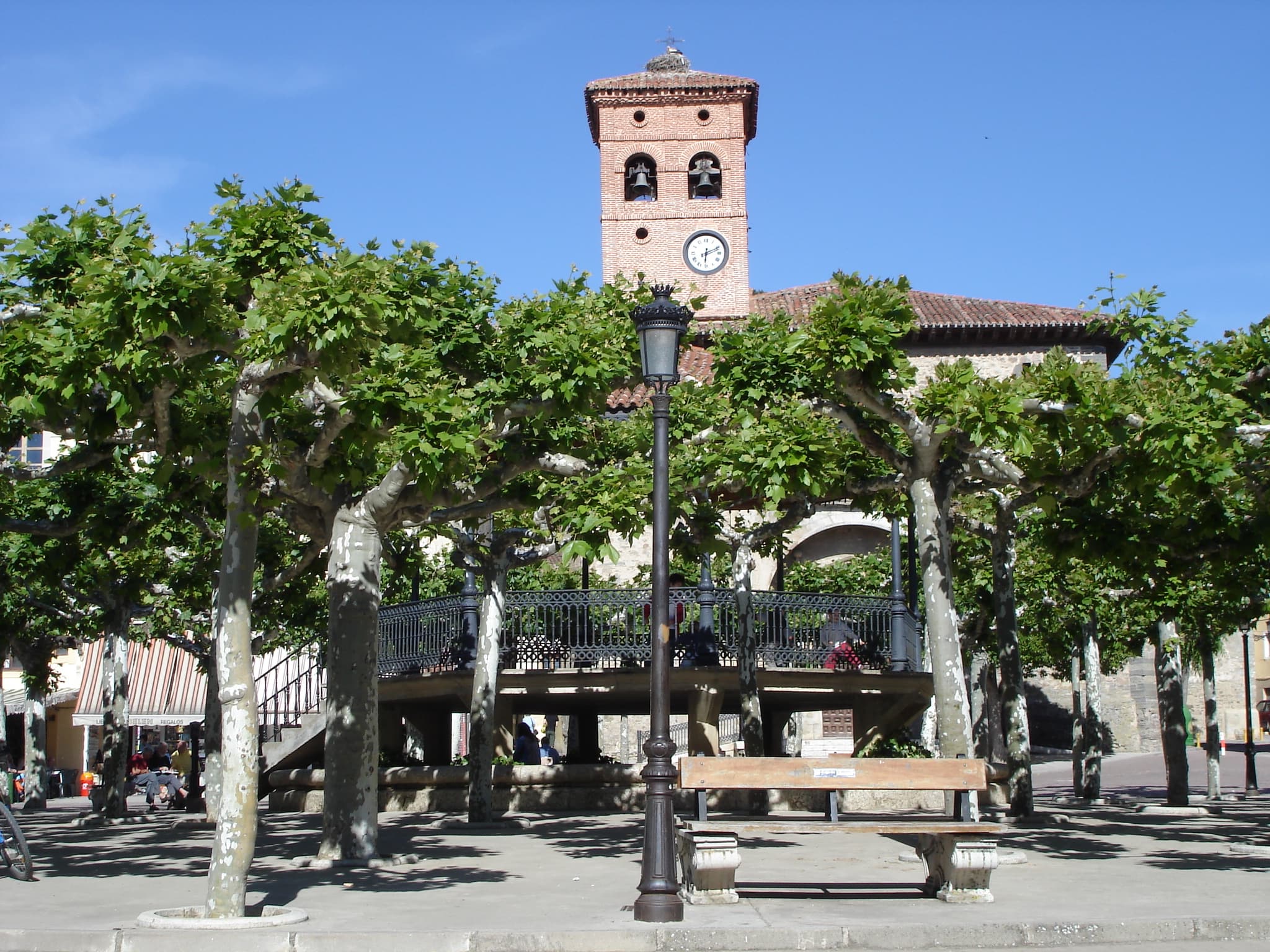
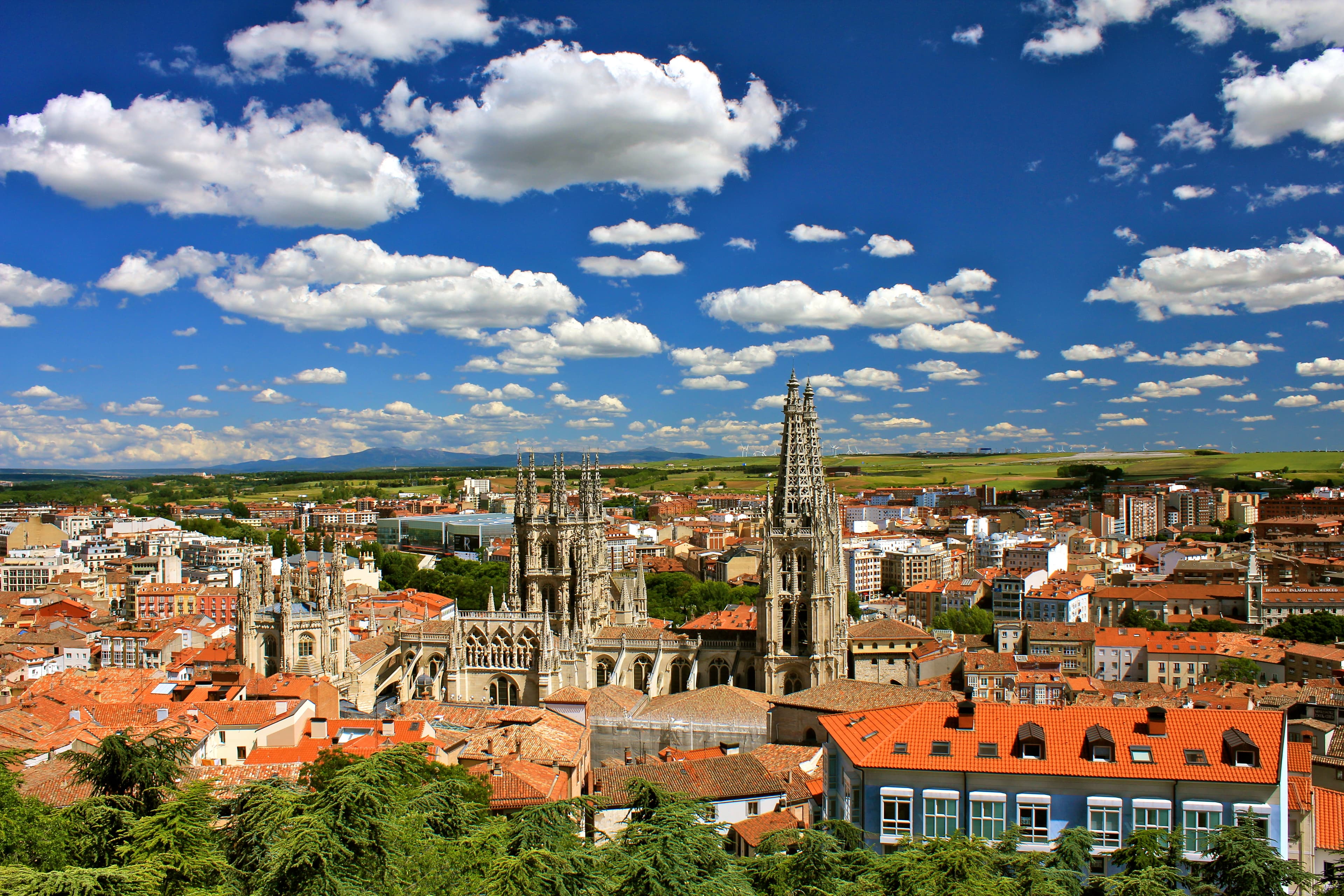
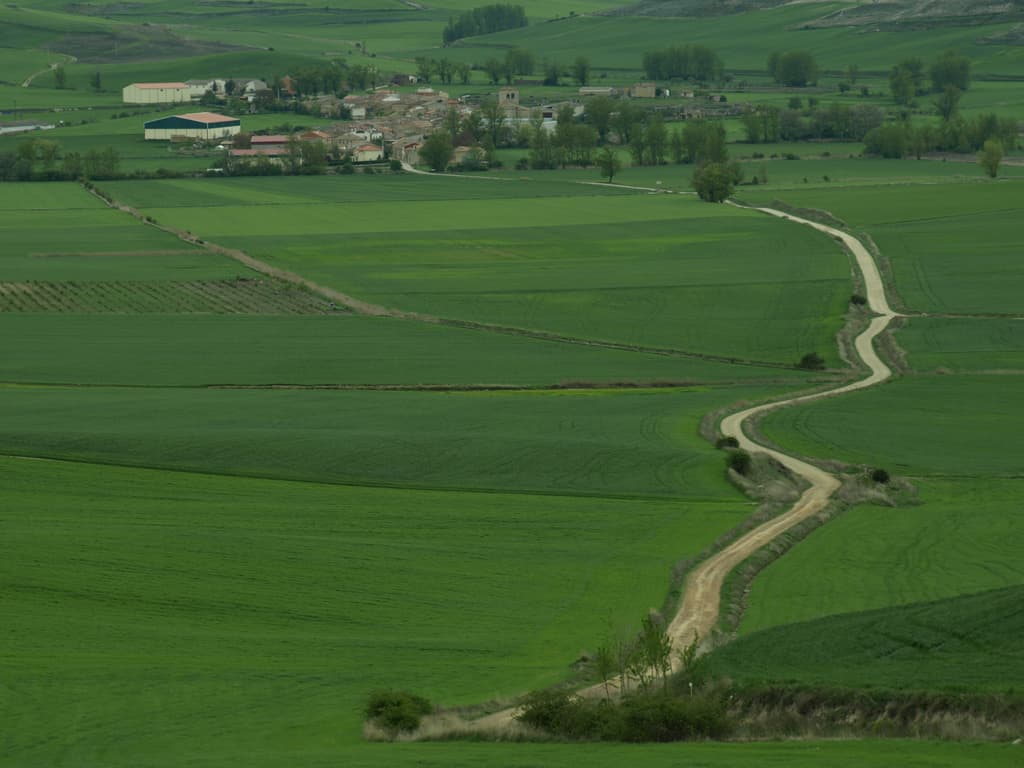
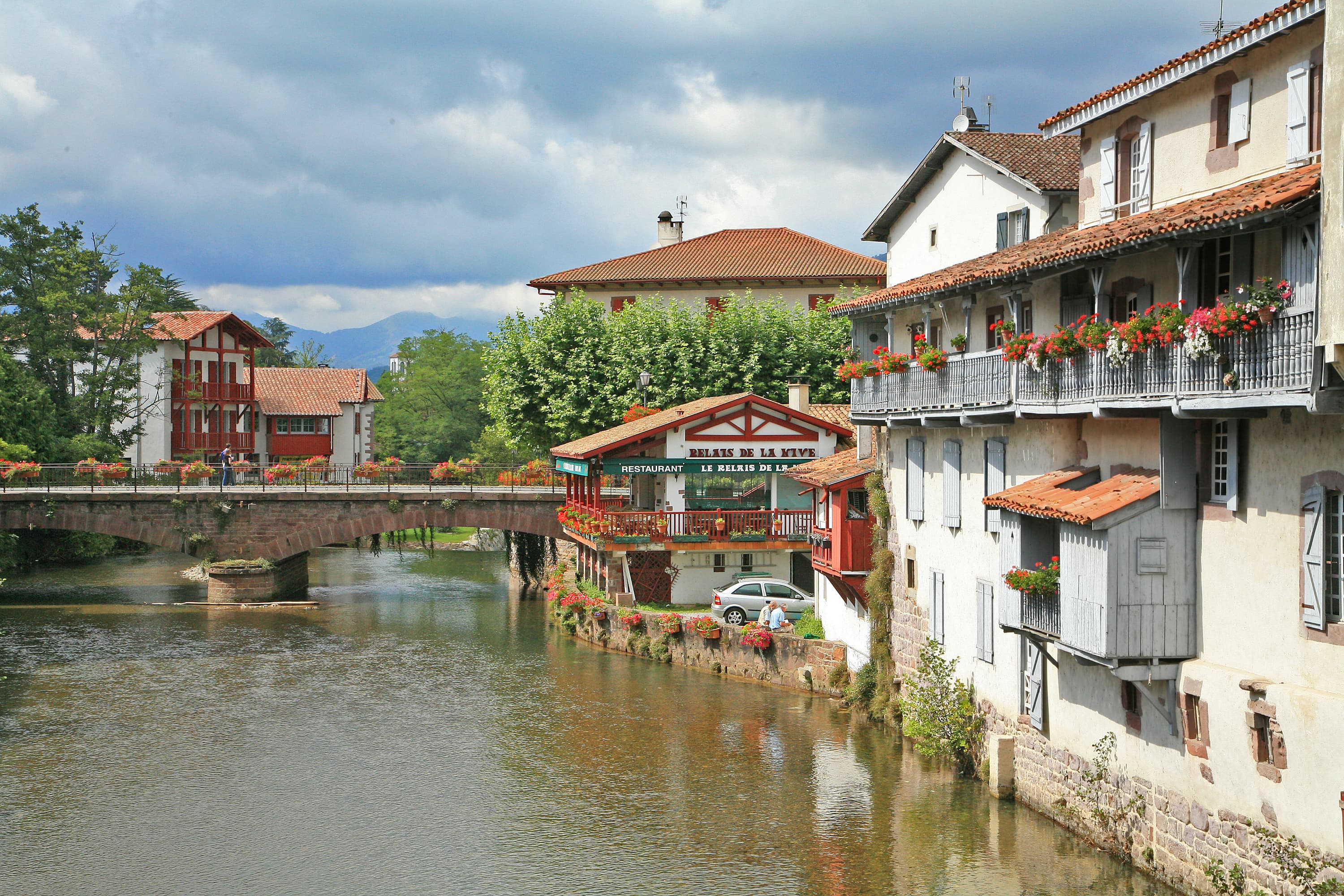
The French Way begins in Saint-Jean-Pied-de-Port, a small Basque village at the foot of the Pyrenees, and travels westward. It follows rolling vineyards, open plains, and medieval towns toward Santiago de Compostela. Along the way, walkers pass through places like Pamplona, Burgos, and León. The Camino’s beauty lies not just in its scenery but in its simplicity: you wake, you walk, you notice.
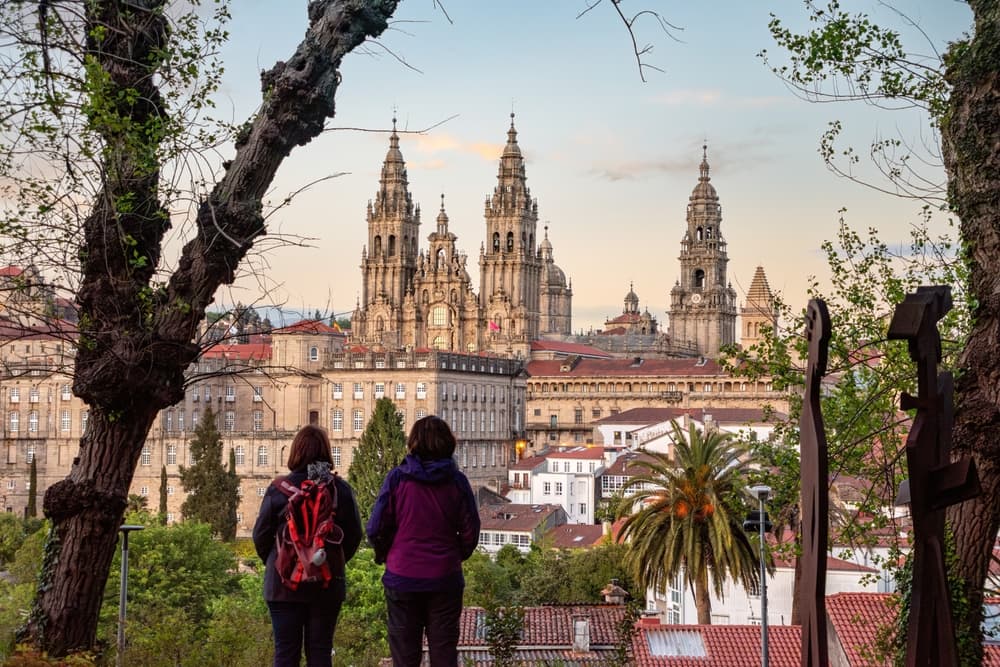
The Camino de Santiago began in the 9th century, when the remains of St. James the Apostle were said to have been discovered in what is now Santiago de Compostela. Over the centuries, millions of pilgrims walked this same sacred route seeking forgiveness, healing, or a deeper sense of meaning.
Though its purpose has evolved, its essence remains the same: a path of renewal, where every step is both ancient and new. It is a sacred path that encourages presence and gratitude, a living thread connecting people, nature, and time.
How to walk the Camino Frances?
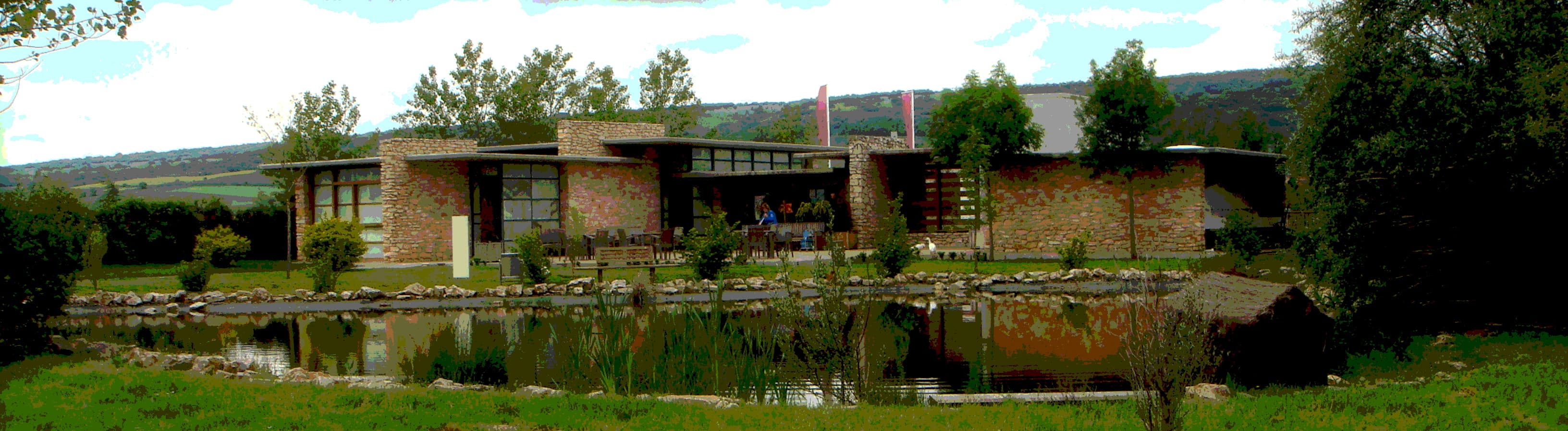
Along the Camino Francés, hospitality is part of the pilgrimage. Simple lodgings called albergues (pilgrim hostels) line the route, offering beds. You’ll also find guesthouses, monasteries, and small rural inns (casas rurales) where walkers are welcomed. Meals on the Camino are humble and nourishing. Enjoy local bread, garden vegetables, cheese, and regional wine. Many villages serve a menú del peregrino, a set meal made for walkers, simple yet full of heart. Water is easy to find; fountains and cafés mark most stretches of the route.
Walking the Camino Francés is best done slowly, allowing the rhythm of the road to quiet the noise of everyday life. Whether you walk the full route or return to it over seasons, the path has a way of revealing what truly matters. There is no rush, no need to measure your progress. The Camino transforms time itself, turning each step into meditation.
This pilgrimage across Spain is more than a physical journey; it’s an invitation to remember your connection to the land and to others who walk beside you. It is the simple joy of giving and receiving, of caring for both the path and those who travel it. When you walk with awareness, every field, forest, and village becomes part of your own inner landscape.
How to walk the Camino Frances?
The Camino Francés is one of the safest long-distance walks in the world. The way is well-marked with yellow arrows and scallop shells. You need little for this journey — sturdy shoes, a light pack, layers for shifting weather, and a heart open to change. Many pilgrims carry a walking stick or a scallop shell tied to their bag, symbols of intention and trust. Keep your load simple, the Camino has a way of reminding you what truly matters.
The gift of the Camino de Santiago isn’t found in arriving at the cathedral but in how you arrive — lighter, quieter, more open. You come to see that transformation happens not through achievement but through presence. And when the journey ends, something in you keeps walking. The French Way stays with you long after you’ve left its stones behind, reminding you that the sacred is not somewhere distant — it’s here, in each breath, in each moment of becoming.